Hazardous waste in Paddington W2: safe removal options
Posted on 02/06/2026
Hazardous waste has a habit of showing up at the worst possible time. A half-used tin of paint in a flat off Praed Street, an old battery from a home office, a leaking cleaning product under the sink, or renovation debris after a careful little redecoration. In Paddington W2, where homes, offices, and managed buildings sit close together, safe handling matters even more. One wrong move can create fumes, spills, or a disposal headache that spreads far beyond one bin bag.
This guide explains Hazardous waste in Paddington W2: safe removal options in plain English. You will learn what counts as hazardous, how removal usually works, the safest ways to store and arrange collection, what to avoid, and how to choose a service with proper care. It is practical, local, and meant to help you make a sensible decision without faffing about.
As a quick note, if you are also dealing with wider household or office clutter at the same time, it can help to look at broader support such as the services overview or related clearance options like waste clearance in Paddington. That way, one awkward job does not turn into three separate ones.
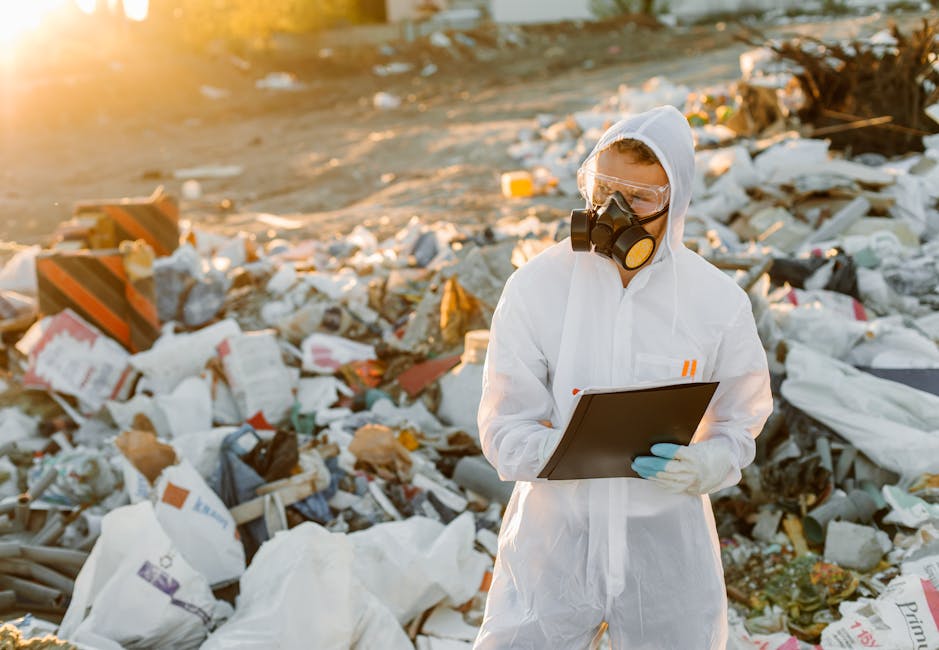
Why Hazardous waste in Paddington W2: safe removal options Matters
Hazardous waste is different from ordinary rubbish because it can be harmful to people, property, and the environment if it is mixed in, moved carelessly, or stored badly. That sounds obvious, but in day-to-day life it is easy to underestimate. A product that seems harmless in a cupboard can become a problem once it breaks, leaks, or reacts with something else. And yes, this happens more often than people think.
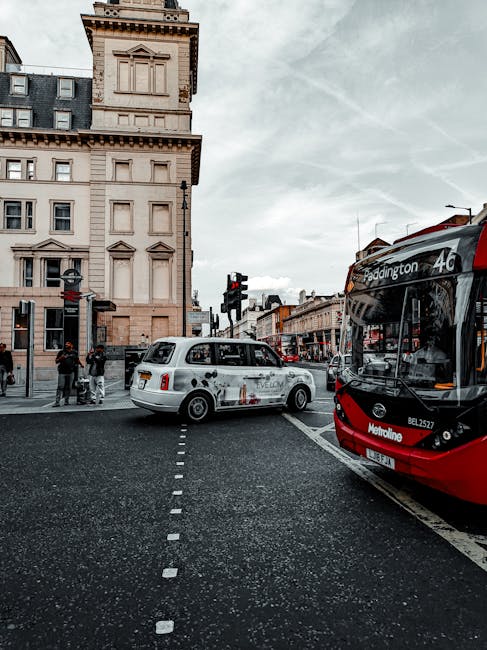
Paddington W2 adds its own layer of complexity. Many properties here are flats, period buildings, shared houses, or office spaces with limited storage and tight access. A staircase that looks fine with a box of books is a lot less charming with a cracked drum of solvent. In busy streets and mews locations, collection timing and carrying items through communal areas matter too.
Safe removal matters because it protects:
- People - residents, visitors, cleaners, contractors, and building staff.
- Property - floors, lifts, communal hallways, and storage rooms.
- Air quality - especially where chemicals, aerosols, or solvents are involved.
- Waste handlers - anyone who could be exposed if items are not labelled or separated.
- Compliance - because unsuitable disposal can create avoidable legal and operational trouble.
There is also a practical point that gets overlooked. Hazardous waste often sits alongside other unwanted items: broken furniture, old appliances, renovation offcuts, archive boxes, or office clutter. If you are already arranging broader clearance, it can be sensible to align it with house clearance in Paddington or office clearance in Paddington so the job is handled as a whole rather than piecemeal.
Key point: hazardous waste is not just a waste issue. It is a handling, storage, transport, and responsibility issue. That is why safe removal options are worth thinking through properly, not rushed at the last minute.
How Hazardous waste in Paddington W2: safe removal options Works
At a high level, safe removal follows a simple pattern: identify, separate, secure, collect, and dispose through a suitable route. The details vary depending on the material, quantity, and access. A few tins of paint are not handled the same way as an old fluorescent tube collection from a basement office. Truth be told, they should not be.
1) Identify what you actually have
Start by sorting items into rough groups. Common examples include paint, solvents, household chemicals, batteries, fluorescent tubes, aerosols, small gas canisters, oils, adhesives, pesticides, and some electrical items with hazardous components. If a label is missing, assume it needs extra caution until confirmed otherwise.
2) Keep hazardous items apart
Do not throw chemicals into mixed rubbish bags. Keep liquids upright if possible, place lids on securely, and separate items that could react. For example, bleach-based cleaners should not be bundled with acids or other cleaners. You do not need a chemistry degree, just a bit of care and common sense.
3) Package for stability
Use sturdy containers, sealed bags where suitable, and absorbent material if there is any leak risk. Keep items away from heat and direct sunlight. In a Paddington flat, that might mean not leaving them near a radiator or in a stuffy hallway cupboard where the temperature climbs during the afternoon.
4) Choose a suitable removal route
There are usually three broad routes: arrange a specialist collection, use a general waste service only if it accepts the specific item safely, or take the material to an appropriate facility if that is lawful and practical. The right route depends on the item and how much there is. For mixed clear-outs, you may also want to coordinate with rubbish removal in Paddington so ordinary waste and hazardous items are separated correctly.
5) Confirm what happens after collection
Ask how the waste is sorted, transferred, and documented. A proper operator should be able to explain the process in straightforward language. If they dodge the question, that is not ideal. At all.
Key Benefits and Practical Advantages
Choosing a safe removal option is not only about avoiding danger. It also saves time, reduces stress, and makes a messy job feel manageable. That alone is worth a lot when you have a hallway full of boxes or a home renovation already running late.
- Reduced risk of spills and exposure - especially important in shared buildings and family homes.
- Less disruption to neighbours - important in blocks where lifts, corridors, and bins are shared.
- Better sorting - hazardous items are separated from recyclable or reusable materials where possible.
- Cleaner handover - helpful if you are moving, selling, or letting a property.
- Peace of mind - you know the job has been handled with care rather than guesswork.
For landlords, managing agents, and homeowners preparing for change, this can be especially useful. A spare room, garage, or storage cupboard can quietly become a collection point for old products that should never have sat there in the first place. If you are in that position, combining hazardous item removal with general decluttering can make a stubborn task feel surprisingly lighter. A bit of momentum helps.
There is also a sustainability angle. Correct sorting means more items can be channelled into suitable treatment routes rather than treated as generic waste. If that matters to you, it is worth reading about recycling and sustainability practices alongside your removal plan.
Who This Is For and When It Makes Sense
This topic is relevant to more people than you might expect. It is not only for builders or industrial sites. In Paddington W2, hazardous waste can appear in ordinary homes, offices, and small businesses. The trigger is often a life event or a property project, not some dramatic incident.
You may need safe removal if you are:
- clearing a flat after a tenancy ends;
- moving house and sorting old cupboards, loft items, or shed contents;
- renovating a kitchen, bathroom, or office fit-out;
- disposing of old paint, chemicals, or garden treatments;
- emptying a storage room, basement, or archive area;
- dealing with accidental breakage, leaks, or contamination concerns;
- preparing a property for sale, letting, or handover.
That last one comes up a lot in London, especially where the timeline is tight. If you are juggling keys, survey dates, packing, and cleaning, hazardous waste is rarely the item people plan for first. Then it pops up. Always does.
For broader local context on moving, property changes, and day-to-day life in the area, some readers also find useful background in local insights on living in Paddington and Paddington home sales and purchases.
Step-by-Step Guidance
If you want a sensible, low-stress process, keep it simple. You do not need to overcomplicate it. In fact, overcomplicating it is usually how people end up moving a dodgy container twice and regretting it both times.
- Pause and inspect the items. Check labels, damage, odours, leaks, and container condition before moving anything.
- Separate the hazardous items from everything else. Keep them apart from textiles, food waste, general rubbish, and recyclable materials.
- Stabilise and secure the load. Close lids, place items upright, and use a tray or box if there is any chance of drips.
- Record what you have. A simple list helps a removal provider judge what is involved. Photos can be useful too.
- Ask about handling requirements. Some items need special packing or limited quantities per collection.
- Book the most suitable removal option. For mixed loads, this may mean combining hazardous collection with broader clearance.
- Prepare access. Clear a path through hallways, open gates, and make sure someone is available if required.
- Confirm receipt and disposal route. A reliable operator should explain what happens next in general terms.
One small practical detail people forget: if items are stored in a communal bin area, tell the building manager or concierge before moving them. It avoids misunderstandings, especially in a shared block where everyone is already a little on edge about space. Understandably so.
Expert Tips for Better Results
There are a few habits that make hazardous waste removal smoother and safer. These are the sort of small things that save a lot of hassle later.
- Keep original containers where possible. The label matters. If the product is no longer in its original packaging, mark it clearly if you can do so safely.
- Do not mix unknown liquids. Two small remnants can become a bigger problem if combined. It is never worth the gamble.
- Store upright and cool. Heat can increase pressure in sealed containers and make leaks more likely.
- Handle one category at a time. Paint with paint, batteries with batteries, and so on. Simple, but effective.
- Plan for access before collection day. Narrow staircases and tight parking in W2 can slow a job if nobody has thought about it beforehand.
- Bundle hazardous removal with other clearance where appropriate. If you also have furniture, boxes, or office contents, the collection can be more efficient than arranging everything separately.
There is also a trust point here. A knowledgeable provider should ask good questions, not just say yes to everything. If they do not ask what the items are, how many there are, or whether any are leaking, that is a bit of a red flag.
For trust and operational reassurance, you may also want to review insurance and safety information and the company's about us page before booking.
Common Mistakes to Avoid
Most problems with hazardous waste are not dramatic. They are ordinary mistakes that compound. A couple of the most common ones are easy to avoid once you know what to look for.
- Putting hazardous items in general rubbish. This can contaminate other waste and create handling risks.
- Leaving lids loose. Seeping liquids are messy, unpleasant, and potentially dangerous.
- Trying to decant materials. If you do not know the product, avoid transferring it into another container.
- Assuming all waste companies handle hazardous items the same way. They do not.
- Ignoring mixed waste. A project that includes paint, plaster, timber, and old fittings may need more than one disposal approach.
- Waiting until the last minute. That usually leads to rushed decisions and awkward storage.
Another mistake is underestimating how much there is. One cupboard of products can look tiny until you pull everything out and realise you have twelve items, three of which are missing labels. Happens all the time.
Tools, Resources and Recommendations
You do not need specialised equipment for every situation, but a few simple tools help enormously when sorting and staging hazardous items safely.
- sturdy cardboard boxes or plastic tubs for stable transport;
- heavy-duty gloves for basic handling;
- absorbent material or old newspaper for minor leak protection;
- marker pens for clear labelling;
- sealable bags for smaller non-liquid items where appropriate;
- a torch for checking cupboards, sheds, and under-sink storage properly;
- a phone camera to record labels and damaged packaging before collection.
If the waste is part of a bigger clear-out, it is often worth looking at the practical side of the wider job too. Relevant options may include builders waste disposal in Paddington for renovation leftovers, or the main services page for a broader sense of what can be arranged alongside hazardous items.
For recurring clean-ups, especially in offices or managed premises, keeping a simple internal log of what gets stored where can prevent a lot of future confusion. A humble spreadsheet, clipboard note, or maintenance register is honestly enough. Nothing fancy needed.
Law, Compliance, Standards, or Best Practice
Hazardous waste is a regulated area in the UK, so it should be treated carefully and disposed of through an appropriate route. The exact requirements depend on the material and the circumstances, and it is wise to follow current legal and operational best practice rather than making assumptions. If in doubt, seek advice from a competent removal provider or your building manager.
As a rule, the safest approach is to:
- identify the waste accurately where possible;
- avoid mixing categories unnecessarily;
- use suitable containers and storage conditions;
- ensure the collector understands what they are handling;
- keep any necessary records of transfer or disposal if your situation requires it;
- follow any building, landlord, or workplace procedures that apply to the site.
In practical terms, best practice means not cutting corners. If a provider is vague about where the waste goes, how it is handled, or whether the collection is suitable for your item type, keep asking. Clear communication is part of safe handling, not extra fluff.
For many readers, especially landlords, letting agents, and businesses, this sits alongside other trust considerations such as service terms, payment handling, and safety. It can help to review terms and conditions, payment and security, and the company's privacy policy before arranging anything formal.
Options, Methods, or Comparison Table
Different situations call for different removal methods. Here is a simple comparison to help you choose the right route.
| Option | Best for | Pros | Watch out for |
|---|---|---|---|
| Specialist hazardous waste collection | Paints, chemicals, oils, batteries, and items needing careful handling | Most controlled option; suitable for awkward or risky items | Needs accurate description and may depend on access or item type |
| General clearance with hazardous items separated | Households or offices with mixed waste | Efficient when you have both standard rubbish and risky items | Hazardous materials must be identified clearly in advance |
| Self-managed drop-off, where lawful and practical | Small amounts of suitable items | Can be simple for minor clean-outs | Transport, opening times, and acceptance rules can be limiting |
The right choice is usually the one that balances safety, convenience, and the type of waste involved. If you only have one small item, a simple route may be enough. If you have a whole cupboard or a post-renovation mix, a combined service is often more sensible.
Case Study or Real-World Example
Here is a realistic Paddington scenario. A flat near a busy station had been cleared for new tenants after a long occupation. The cupboards contained a couple of opened paint tins, old cleaning products, a few batteries, and some general household clutter. Nothing dramatic, but enough to be awkward. The corridor was narrow, the lift was shared, and the landlord wanted the space turned around quickly.
The practical solution was straightforward: hazardous items were separated first, checked for leaks, and placed securely in stable containers. The remaining items were dealt with through a broader clearance. The key win was not speed alone. It was avoiding a messy, piecemeal process that would have forced the occupants to move the same items twice. Not fun. Nobody enjoys that.
Another small but useful detail: the collector was given a quick list before arrival, which meant the right handling approach could be planned in advance. That sort of preparation usually makes the whole day feel calmer. Less back-and-forth, fewer surprises, fewer "oh, actually..." moments.
If the property had also included mattresses, bulky furniture, or a storage room full of mixed items, it would have made sense to coordinate with urgent mattress removal near Sheldon Square or similar local collection support, depending on what was present. The principle is the same: match the method to the waste, not the other way around.
Practical Checklist
Use this quick checklist before arranging removal. It keeps things tidy and avoids that panicky "what exactly is this?" moment.
- Identify all hazardous or potentially hazardous items.
- Separate them from general waste and recyclables.
- Check for leaks, damage, or unstable packaging.
- Keep liquids upright and lids closed securely.
- Photograph unclear labels if you need to describe them later.
- Note the quantity and approximate size of each item.
- Confirm access, parking, stairs, or lift details in advance.
- Ask how the waste will be handled after collection.
- Keep children, pets, and curious hands away from the storage area.
- Combine with other clearance work only if the provider can manage it safely.
Expert summary: The safest removal option is usually the one that keeps hazardous items separate, clearly identified, and handled by a team that understands what they are collecting. In Paddington W2, where access can be tight and schedules are often brisk, a little preparation makes a big difference.
Conclusion
Hazardous waste in Paddington W2 does not need to become a complicated drama. The key is to treat it carefully from the start: identify it, separate it, store it safely, and choose a removal method that genuinely suits the material. That approach protects people, prevents mess, and keeps the wider clearance process moving.
If your situation is part of a move, renovation, office clear-out, or property handover, the smartest option is usually to deal with hazardous items alongside the rest of the job in a properly planned way. A calm, structured approach is almost always quicker in the end. Funny how that works.
Get a free quote today and see how much you can save.
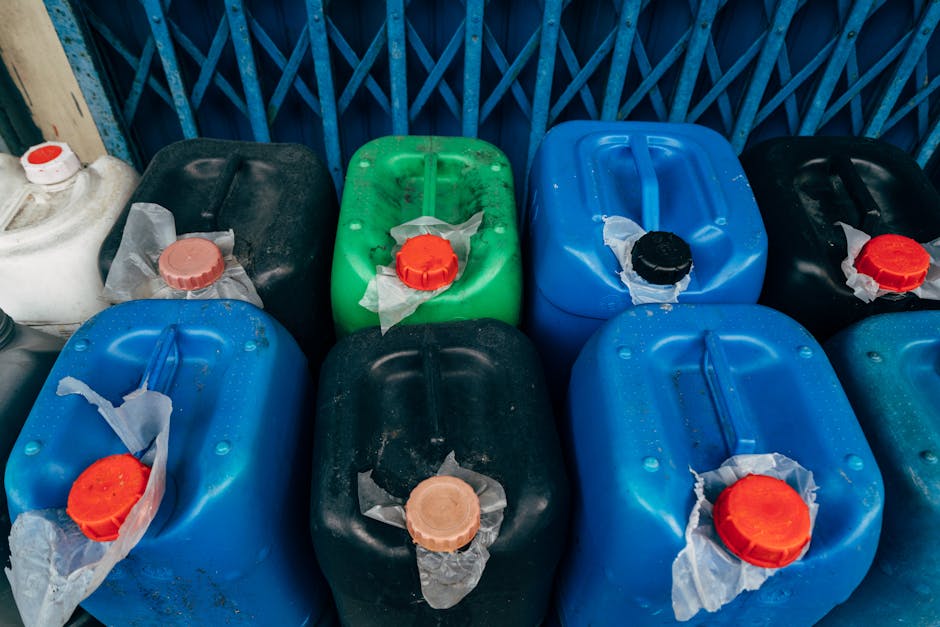


 Tipper Van - Waste Clearance and Rubbish Removal Prices in Paddington, W2
 Luton Van - Waste Clearance and Rubbish Removal Prices in Paddington, W2