






Avoid fines: Westminster waste disposal rules for landlords
Posted on 26/06/2026
If you rent out property in Westminster, waste management can look deceptively simple right up until it becomes a problem. One missed collection, one bag left in the wrong place, or one contractor who is not properly licensed can quickly turn into complaints, enforcement action, or avoidable costs. This guide to Avoid fines: Westminster waste disposal rules for landlords explains what landlords need to know, how day-to-day disposal usually works, and the practical habits that help keep a property tidy, compliant, and less stressful to manage.
Whether you manage a single flat, a small portfolio, or a building that sees frequent tenant turnover, the same rule applies: waste needs to be handled properly, documented sensibly, and dealt with before it becomes a nuisance. In a dense part of London, that is not always as straightforward as it sounds. To be fair, one overflowing bin store can create more grief than a boiler issue on a wet Friday.
In the sections below, you will find a clear walkthrough of landlord responsibilities, common mistakes, best-practice steps, and a practical checklist you can use straight away. If you are also dealing with clearance after a tenancy change, the advice here sits neatly alongside house clearance support in Paddington and broader waste clearance services for busy rental properties.
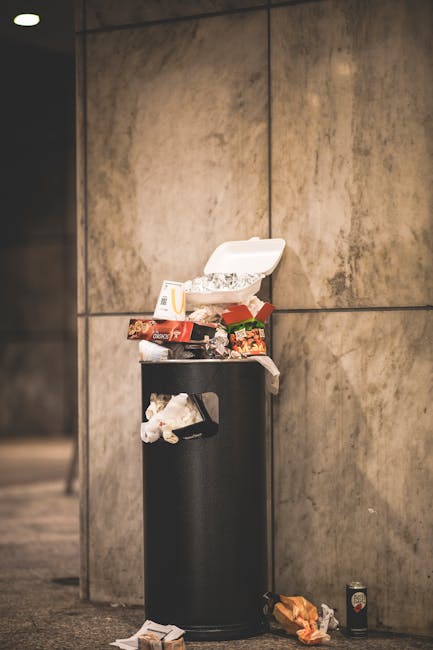
Why Avoid fines: Westminster waste disposal rules for landlords Matters
Landlords are often the last line of defence between normal household waste and a shared mess in the street. In Westminster, where flats, mews houses, mansion blocks, and converted buildings sit close together, waste mismanagement becomes visible fast. A few bags on the pavement can attract pests, create a fire risk, and annoy neighbours before you have even finished your morning tea.
The biggest issue is not just untidiness. It is liability. If rubbish is dumped, stored badly, or handed to the wrong person, the landlord may still need to explain what happened and what steps were taken to prevent it happening again. That is why good waste routines are part of being a responsible property owner, not just a cosmetic tidy-up.
There is also a reputational angle. Tenants notice whether a building feels cared for. Prospective renters do too. A clean bin area, clear moving-out process, and fast removal of bulky items send a simple message: this property is managed properly. That matters in Westminster, where rental expectations are high and turnover can be brisk.
One overlooked point: waste problems often appear at the exact moments landlords are busiest, such as check-outs, refurbishments, or quick re-let periods. If you plan for those moments, you reduce panic later. Simple as that.
How Avoid fines: Westminster waste disposal rules for landlords Works
The practical side of waste disposal for landlords usually comes down to three things: where waste is stored, who is responsible for moving it, and how it is disposed of. In blocks with communal bins, the landlord or managing agent normally needs to make sure the system is usable and not routinely overwhelmed. In single-let properties, the responsibility may be split between tenant behaviour and landlord oversight, but the landlord still has a strong duty to prevent persistent waste issues.
In day-to-day terms, this means you should know the waste setup for each property: bin type, collection day, storage location, and what happens with items that do not fit in normal containers. Mattresses, broken furniture, old appliances, renovation debris, and garden cuttings all need different handling. A one-size-fits-all approach tends to go wrong, and usually at the worst time.
For landlords in Westminster, this is especially important where access is tight. Narrow entrances, basement flats, rear alleys, and shared courtyards can make even simple disposal awkward. In those cases, it helps to look at alternatives such as skip-free clearance alternatives for tight streets rather than trying to force a skip into a space that was never meant for one.
Waste disposal also becomes more complicated when a tenancy ends. If tenants leave behind mixed junk, soft furnishings, or damaged items, the landlord often needs to act quickly. Leaving it for later tends to raise costs and can create complaints from incoming tenants. The short version? The longer rubbish sits there, the harder it is to deal with neatly.
Key Benefits and Practical Advantages
Good waste management is not just about avoiding penalties, although that is a pretty useful outcome. It also makes a property easier to let, easier to inspect, and easier to hand over between tenancies.
- Fewer complaints: Neighbours and tenants are less likely to report overflowing bins or abandoned items.
- Cleaner check-outs: End-of-tenancy clearances become smoother when you already have a process.
- Lower risk of enforcement action: Proper disposal reduces the chance of fines linked to fly-tipping or poor storage.
- Better tenant experience: A tidy building feels better maintained and more professional.
- Less emergency spending: Planned disposal is usually calmer and more cost-effective than panic removal.
- Improved safety: Clear common areas reduce trip hazards, blockages, and fire risks.
There is also a quieter benefit that landlords often appreciate only after the fact: better time management. When you know who handles what, you spend less time chasing residents, contractors, or cleaners. And let's face it, nobody enjoys a string of awkward messages about a sofa left beside the bins.
Who This Is For and When It Makes Sense
This advice is relevant to all kinds of landlords, but some situations make it especially valuable.
- Private landlords with one or more residential rentals in Westminster.
- Portfolio landlords who need a repeatable system across several properties.
- Letting agents and property managers handling move-ins, move-outs, and inspections.
- Freeholders and block managers responsible for communal waste areas.
- Landlords refurbishing a property between tenancies and dealing with builders' waste.
This matters most when there is churn. A long-term tenant who behaves carefully is one thing. A vacant flat after a hurried move-out is another. If a property is being sold, re-let quickly, or cleared after a tenancy dispute, waste can pile up before anyone notices. In those moments, it is worth having a plan ready rather than improvising.
For landlords who manage homes near Paddington or across W2, there is often a crossover between residential waste, bulky item removal, and clearance after sales or purchases. Those situations can be informed by local market movement, which is why articles like Paddington home sales and purchases and smart real estate purchases in Paddington can be surprisingly useful background reading.
Step-by-Step Guidance
If you want a straightforward process, start here. It does not need to be complicated. It needs to be consistent.
- Map the waste setup for each property. Note bin size, collection day, storage space, and whether the building has shared containers or private ones.
- Tell tenants exactly what goes where. Include bin rules in the welcome pack or tenancy instructions. Do not assume they will guess correctly.
- Plan for bulky items before they become abandoned items. Sofas, desks, mattresses, and broken chairs need a separate route.
- Keep an end-of-tenancy clearance process. Decide who checks for left-behind rubbish and who arranges removal.
- Use licensed and insured professionals where needed. This is especially important for mixed waste, refurbishment debris, or anything hazardous.
- Keep a record of disposal decisions. Basic paperwork, receipts, or service notes can help if questions come up later.
- Review the building's bin area regularly. A five-minute inspection can stop a much bigger problem.
One simple habit that works well: inspect the waste area just before and just after a tenancy change. That is when surprises turn up. Old bikes, damp carpet offcuts, broken lamps, half-filled boxes of mystery stuff - the usual. If you catch it early, you can act before the building starts looking untidy or attracting complaints.
A practical landlord routine for busy weeks
When you are under pressure, use a short weekly routine:
- check bin capacity
- look for blocked access
- confirm bulky waste has been booked
- ask whether any tenant is moving out soon
- make sure nothing hazardous has been left out with regular rubbish
That little loop keeps most problems from snowballing. Not glamorous, but effective.
Expert Tips for Better Results
After a while, landlords tend to notice the same issues repeating. The good news is that most waste problems are preventable with a few well-placed habits.
- Set expectations in writing. Tenants are more likely to comply when the rules are clear and specific.
- Use separate instructions for bulky waste. People often understand normal bin use but not the process for bigger items.
- Coordinate removals with void periods. If a flat is empty, that is often the cleanest time to clear bulky or awkward waste.
- Do not leave mixed waste to accumulate. A pile that starts with cardboard can quickly turn into a full clearance job.
- Watch for hazardous items. Batteries, paint, chemicals, and some electrical items should not be mixed with ordinary rubbish.
- Keep access paths clear. A blocked staircase or hallway creates risk and makes collections harder.
It can also help to partner waste planning with other property tasks. For example, if a tenant is leaving and the flat also needs a refresh, a service such as rubbish removal in Paddington may be more practical than trying to solve item by item. For post-refurbishment work, builders waste disposal in Paddington is usually the more appropriate route.
And one more thing: do not underestimate the value of a calm, documented handover. A short note, a photo, a receipt. Boring maybe, but very useful if anyone later says, "That sofa was not ours."

Common Mistakes to Avoid
Most waste-related fines and headaches come from predictable mistakes. The good news is that once you know them, they are easy enough to sidestep.
- Assuming tenants will handle everything. Some do. Some absolutely do not.
- Leaving bulky waste beside communal bins. It looks like a temporary fix until it becomes everyone's problem.
- Using unlicensed collectors. Cheap now can become expensive later if waste is dumped improperly.
- Ignoring hazardous waste. That approach is, bluntly, asking for trouble.
- Waiting until a complaint arrives. By then, the issue is already visible to neighbours or enforcement teams.
- Not checking access constraints. A clearance van may be fine, but the actual passage to the waste area may not be.
One more subtle mistake is failing to distinguish between everyday rubbish and special waste. A pile of broken shelves and a damaged mattress are not the same as a couple of bin bags. If you treat them the same, the process falls apart pretty quickly.
Tools, Resources and Recommendations
You do not need a complex system, but a few tools can make landlord waste management much easier.
- Move-in and move-out checklists to record waste condition at each tenancy stage.
- Photo records so you can document what was left behind and when.
- Building notices or house rules for bin days, bulky waste, and recycling.
- A preferred disposal contact for quick clearances when time matters.
- Insurance and contractor records so you know who handled what.
If you are dealing with a property that has limited access or awkward storage, it is worth exploring services that can work around those constraints. In some cases, waste clearance services are a better fit than waiting for council collection cycles. For one-off tenant departures or larger room clearances, house clearance support can save a lot of back-and-forth.
For landlords who manage mixed-use premises or smaller offices as part of a portfolio, there is also value in understanding office clearance options. That is not just a commercial concern; it often comes up when a unit changes use or equipment is replaced during a refurbishment.
Law, Compliance, Standards and Best Practice
Waste disposal in Westminster sits within wider UK waste law and local enforcement expectations. You do not need to memorise legislation line by line to be sensible, but you do need to act as though waste has a paper trail. The safest approach is to use reputable, traceable disposal methods and to avoid leaving the legal grey areas for later.
For landlords, best practice generally means:
- ensuring waste is stored safely and does not create a nuisance
- making sure waste handed to contractors is dealt with properly
- keeping records where practical
- separating hazardous or specialist waste from general rubbish
- making clear to tenants what they may and may not leave behind
If you use third-party help, it is sensible to confirm that the provider is properly insured and operates safely. That is not about being fussy. It is about reducing your own exposure if something goes wrong. A clearance job should leave the property cleaner, not create a bigger administrative mess for you.
Best practice also includes sustainability. Recycling and reuse matter, especially when a property turn generates furniture, boxes, or fixtures that can be sorted rather than simply tipped. You can see that thinking reflected in the website's approach to recycling and sustainability, which is a sensible lens for landlords who want to manage waste responsibly, not just quickly.
Options and Comparison Table
Different waste situations call for different methods. A quick comparison helps landlords decide what makes sense without overcomplicating things.
| Method | Best for | Pros | Watch out for |
|---|---|---|---|
| Regular bin use | Everyday household waste | Simple, familiar, low effort | Not suitable for bulky or special items |
| Managed tenant instructions | Routine rental properties | Prevents confusion, low cost | Depends on tenant cooperation |
| Bulky waste collection | Large items like sofas or mattresses | Clear route for awkward items | Needs planning and timing |
| Professional clearance | End of tenancy, voids, refurbishments | Fast, convenient, scalable | Choose a reputable, insured provider |
| Specialist hazardous waste handling | Paint, chemicals, certain electrical waste | Safer and more compliant | Must not be treated like general rubbish |
In Westminster, the best option is often a blend. A property might use standard bins day to day, bulky waste support after a move-out, and a specialist clearance for refurb work. That mix is usually more realistic than relying on one method for everything.
Case Study or Real-World Example
Picture a landlord managing a second-floor flat in a busy Westminster street. The tenant moves out on a Thursday, and by Friday morning the hallway has a mattress, a broken desk chair, two bags of mixed rubbish, and a stack of flat-pack packaging that no longer fits in the bin store. Nothing dramatic. Just the kind of mess that slowly becomes a problem if nobody acts.
The landlord has two choices. Leave it until the next council collection and hope the items do not bother anyone, or arrange a proper clearance straight away. In this sort of building, the second option is usually the wiser one. The items are removed before complaints start, the incoming tenant sees a clean property, and the waste area does not become a mini dumping ground.
That is the real lesson here. Most waste issues are not complicated crimes. They are ordinary management problems that become expensive when delayed. A fast, sensible response can avoid that spiral.
For properties near lively parts of Paddington or Westminster, turnover sometimes lines up with events, visitors, or seasonal moves. If you are dealing with tenant activity around busy streets, related local reading like local insights on living in Paddington and great places for parties in Paddington can help you understand the pace of the area a little better. Different context, same practical point: people generate waste quickly when life is moving.
Practical Checklist
Use this checklist before, during, and after a tenancy change.
- Confirm bin locations and collection days.
- Check whether communal storage is locked, accessible, and clean.
- Give tenants written instructions for general and bulky waste.
- Inspect the property for abandoned items at check-out.
- Separate ordinary rubbish from furniture, electronics, and hazardous materials.
- Arrange removal promptly if items are left behind.
- Keep notes or photos of what was cleared and when.
- Review whether the property needs a more reliable waste plan for next time.
If you tick off those points consistently, you will avoid most of the messy, time-consuming situations that landlords dread. Not all of them, perhaps, but most. And most is good.
Conclusion
Managing waste properly is one of those landlord tasks that rarely gets praise when done well, but causes real trouble when ignored. Westminster is not the place to be casual about rubbish storage, bulky item disposal, or post-tenancy clearance. The pressures of shared buildings, narrow access, and frequent tenant changes mean a simple system is worth its weight in time saved.
If you build a routine, communicate clearly, and use the right disposal route for the right kind of waste, you dramatically reduce the risk of fines, complaints, and unnecessary stress. More importantly, you keep your property safer and easier to manage. That is good business, plain and simple.
Get a free quote today and see how much you can save.
And if you are already juggling a move-out, a refurb, or a stubborn pile of left-behind items, do not panic. A neat plan beats a rushed one almost every time. One step at a time, and you will get there.



 Tipper Van - Waste Clearance and Rubbish Removal Prices in Paddington, W2
 Luton Van - Waste Clearance and Rubbish Removal Prices in Paddington, W2